Back in ancient times, people didn't have the fancy supplements we have today. They looked to nature for their vitamins. Ancient Egyptians, for example, turned to foods rich in nutrients. They relied on fruits, vegetables, and grains to keep healthy. They even had their own ways of preserving these foods to ensure they packed a nutritious punch.
In ancient China, herbal medicine was all the rage. Practitioners believed that certain herbs carried healing properties. Many of these herbs were loaded with vitamins and minerals. They understood that a balanced diet helped maintain health and vitality, long before we had the science to back it up.
The Greeks and Romans took things a step further. They studied foods and their effects on health. Hippocrates, often called the father of medicine, was pretty big on diet. He believed that food could be medicinal and advocated for using nutrition to treat various ailments.
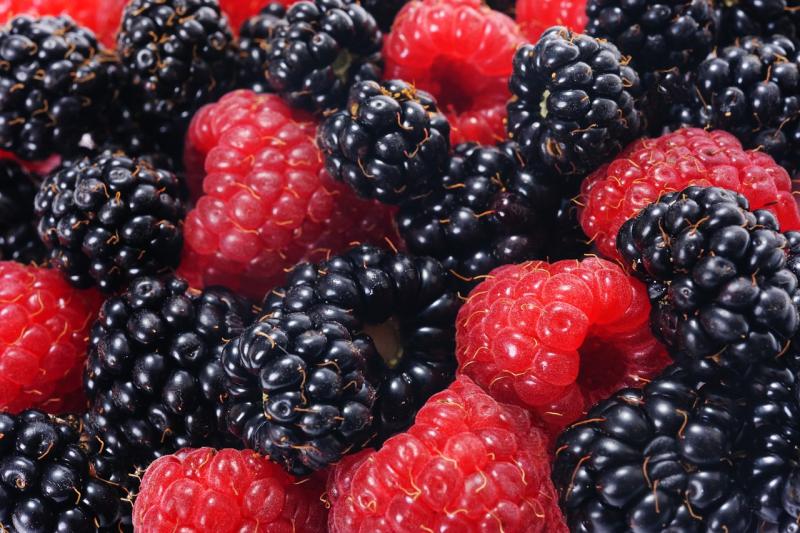
Across the world, different cultures emphasized the importance of vitamins in their diets. From the Andean cultures munching on quinoa to the Native Americans using berries, each society had its own treasures of nutrition. These early insights into vitamins set the groundwork for what we now know about nutrition and health.
The Rise of Modern Nutrition
Modern nutrition really took off in the 20th century. People started figuring out that vitamins and minerals play a huge role in keeping us healthy. Before that, folks didn’t always understand why eating certain foods was good for them. But with scientific advancements, nutrition became a popular topic, and more people wanted to know how to eat well.
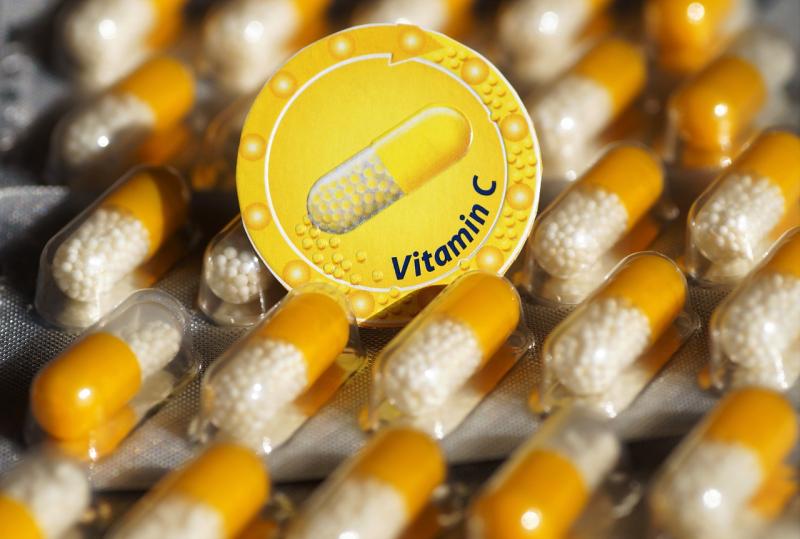
In the 1920s and 1930s, researchers isolated vitamins and discovered their benefits. For example, they learned that vitamin D helps strengthen bones, while vitamin C boosts immunity. This made it clear that what we eat directly impacts our health. The focus on essential nutrients changed the way people approached their diets.
Fast forward to today, and the nutrition scene has exploded. We have access to tons of information about vitamins, supplements, and what our bodies really need. Health food stores became popular, and now you can find a variety of vitamins specifically designed for women, targeting everything from energy levels to skin health.
Consumers are more aware than ever about nutrition. With the help of doctors, dietitians, and influencers, women are seeking out the vitamins they need to support their lifestyles. Whether it's prenatal vitamins or those for bone health, there's something out there for every stage of life.
Major Discoveries Shaping Vitamin Science
Vitamin science has come a long way, with landmarks that have changed how we think about nutrition. One of the earliest breakthroughs was in the early 20th century when scientists first identified vitamins as essential substances for health. The discovery of vitamin A paved the way for understanding how certain nutrients help prevent diseases, like night blindness.
In the 1930s, the identification of vitamin B12 made a huge impact. It was linked to preventing pernicious anemia, a serious blood disorder. This discovery underscored how vital certain nutrients are for our overall health, especially for women who often face different dietary needs.
Then there's the story of vitamin C. In the 1950s, researchers showed that it could help prevent scurvy, a disease once common among sailors. This finding made people more aware of the importance of fruits and vegetables in their diets, leading to a shift in how we approach everyday nutrition.
As science marched on, we learned about the role of vitamin D in bone health. The link between vitamin D and calcium absorption opened new doors in preventing osteoporosis, particularly for women as they age. It's fascinating how these discoveries have shaped dietary recommendations and influenced supplements we take today.
Today, vitamin science continues to evolve, with ongoing research exploring how these nutrients affect everything from mood to immunity. Each finding not only informs our choices but also highlights the richness of our food and how it nurtures us.
How Vitamins Impact Our Lives Today
Vitamins are more than just tiny supplements we pop in the morning. They play a big role in how we feel and function every day. From boosting our immune system to keeping our skin glowing, vitamins help us tackle life’s challenges head-on. You might not realize it, but your daily vitamin intake can influence your mood, energy, and overall health.
Have you ever noticed how your body reacts to stress? That’s where B vitamins come in! They’re crucial for energy production and can help improve your brain function. When you’re feeling a bit overwhelmed, those little guys are doing their best to keep you focused and energetic.
Vitamin D is another superstar. We usually think of it as the “sunshine vitamin,” but it does so much more. It turns out that getting enough vitamin D can support strong bones and a healthy immune system. If you’re feeling a bit sluggish or down, check your levels—you might just need a little sunshine in your life!
And let’s not forget about antioxidants like vitamin C and E. These guys are your skin’s best friends, fighting off free radicals that can cause aging and disappointment. If you want to keep your skin looking fresh and youthful, adding a good dose of these vitamins can really make a difference.